
How to Sell Land Online in West Virginia | Sell West Virginia Land

How to Sell Land Online in West Virginia
Selling land online starts with complete parcel information. Before you list your land, collect the county, district, tax map, parcel number, acreage, legal description if available, road access notes, annual taxes, zoning or land use information, utility status, floodplain concerns, mineral reservations, and any survey or deed records. Online buyers move faster when they can understand the land without chasing basic facts.
West Virginia land can be harder to explain than a house listing. A buyer may ask about steep terrain, private roads, old timber cuts, seasonal access, creek crossings, septic potential, buildable area, or whether the parcel is close to Charleston, Morgantown, Martinsburg, Huntington, Parkersburg, or a rural county road. The better your listing answers those questions, the more likely potential buyers are to take the land sale seriously.
Choose the Right Online Platforms and Photos

You can sell land online through land listing sites, local classifieds, marketplace sites, social media, neighbor outreach, an agent website, or a direct land buyer. Some sellers search for ways to sell land online for free, but free exposure does not always produce a qualified buyer. A good online listing needs clear photos, parcel maps, road notes, directions, tax information, and a realistic asking price.
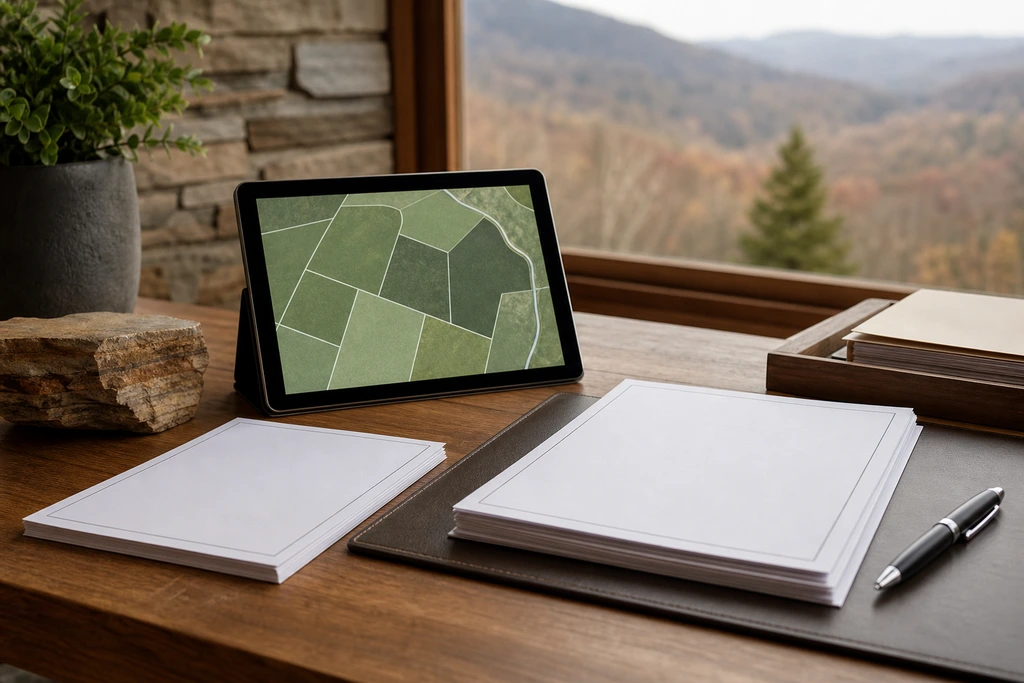
Photos should show more than pretty trees. Include the road, entrance, terrain, open area, slope, drainage, utilities, nearby landmarks, and any obvious limitations. For vacant land, raw land, recreational land, or agricultural land, a buyer often wants map context as much as ground-level photos. If you do not live nearby, county GIS images and honest notes are better than vague claims.
Pricing Land for Sale Without Overpromising

Online land for sale can sit for months when the price is based only on acreage. Look at comparable land sales, access, road frontage, utility distance, county demand, slope, floodplain, buildability, and how similar parcels actually closed. A small residential lot with utilities may attract a different buyer than wooded acreage with a private road. Price the property for what it is, not what a finished home would be worth.
If you want to sell your land fast, leave room for negotiation and be honest about drawbacks. Buyers lose trust when a listing hides access problems, back taxes, boundary uncertainty, or old title issues. A clean description can reduce wasted calls and help the right land buyer decide whether to make a cash offer.
Screen Every Buyer Before You Sign
An online inquiry is not the same as a ready buyer. Ask whether the buyer is using cash or financing, how quickly they can open title, whether they have bought West Virginia land before, who pays closing costs, and what contingencies they need. If a buyer wants a long inspection period, unclear assignment rights, or no earnest money, compare that risk with other options before signing.
A direct land buyer may be useful when you want fewer calls, no signs, no showings, and a predictable closing path. The buyer should still put the offer in writing and let a title company or closing professional handle funds and documents. Do not send a deed directly to a stranger from an online platform without a proper closing process.
Sell Land by Owner or Work with a Real Estate Agent
Selling land by owner gives you control over price, marketing, buyer calls, and negotiation. It also means you must answer parcel questions, coordinate paperwork, and keep the land transaction moving. A real estate agent can help with exposure, but not every agent specializes in vacant land, mountain parcels, rural acreage, or properties with access issues.
If you work with an agent, ask about land experience, expected marketing channels, commission, buyer screening, and average time to close. If you sell your land online by owner, use a written purchase agreement and a neutral closing company. If you choose a direct cash offer, compare the speed and certainty against the listing price you might hope to get later.
What to Include in Your Online Land Listing
A strong listing includes county and parcel ID, acreage, road access, GPS or map link, annual taxes, zoning or restrictions, utility notes, terrain, nearby towns, floodplain information if known, and whether the seller will consider a cash offer. Mention if the property is vacant land, raw land, wooded land, residential land, recreational land, or agricultural land so potential buyers can self-select.
Also explain the sale process. Tell buyers whether you expect a title company closing, whether closing can happen remotely, and how long the offer for your land will remain open. Clear expectations help you avoid casual inquiries and focus on buyers who are ready to complete the transaction.
When a Direct Online Offer Is the Easier Way to Sell
If the parcel has limited access, back taxes, old title questions, steep terrain, or a seller who lives outside West Virginia, a public listing can create months of repetitive questions. A direct cash review can be simpler because you send the parcel facts once and receive a written offer without preparing the land for retail marketing.
That does not mean you should accept the first offer. Compare net proceeds, time to close, closing cost responsibility, buyer certainty, and how much work you must do. The best way to sell land online is the path that gives you a clear, documented result and lets you move on with confidence.
Avoid Common Online Land Selling Mistakes
The most common online mistake is making the property sound easier than it is. If the land has no deeded access, steep terrain, seasonal roads, unknown utilities, unpaid taxes, or a title question, say so. Qualified buyers can price those issues. Unqualified buyers may disappear after wasting your time. Accurate information protects the seller and attracts a buyer who understands land.
Another mistake is using only one marketing channel. A land listing site may reach out-of-state buyers, while neighbors or nearby owners may understand the parcel better. Social media can create attention but also casual messages. A direct cash offer gives you a benchmark. Comparing several channels helps you decide whether the online market is strong enough or whether a private sale is cleaner.
Keep a simple communication log. Note who contacted you, what they offered, whether they have cash, what questions they asked, and whether they requested documents. That makes it easier to compare potential buyers and avoid sending sensitive owner information to every casual inquiry.
Finally, use a normal closing process. The buyer can be found online, but the closing should still be documented. A title company or closing attorney can confirm ownership, prepare documents, handle funds, record the deed, and show the seller exactly what was paid at closing.
How to Decide if the Online Route Is Working
Give your online effort a defined test period. If you have accurate information, reasonable pricing, and good photos but still receive only low offers or vague messages, the parcel may not fit the retail online audience. At that point, compare a direct buyer, neighbor outreach, or a lower listing price instead of letting the land sit for another year.
Measure results by qualified conversations, not page views or message count. A good inquiry should mention the parcel, ask informed questions, and be willing to discuss title-company closing. If most responses ignore access, taxes, or acreage, your listing may be attracting people who like the idea of land but are not ready to buy it.
Update the listing when you learn what buyers keep asking. Add road notes, a better map, tax details, utility distance, or a clearer access description. Those updates can improve the quality of online leads and help a direct land buyer evaluate the property without another long back-and-forth.
Frequently Asked Questions
Can I request an offer after reading about how to sell land online in west virginia?
Yes. Send the parcel details through the form and we will review the land for a no-obligation cash offer.
Do I need every document before asking for an offer?
No. Start with the parcel location, owner name, and anything you know. More documents can be gathered during title review.
How To Sell Land Online Checklist for West Virginia Landowners
This support note keeps the guide specific to West Virginia landowners while reinforcing practical owner guidance for how to sell land online. It is not legal, tax, or broker advice.
Detailed land-offer review factors used for this page
Cash Offer, Title, and Closing Review
West Virginia Land Sale Documents and Local Factors
West Virginia owners considering sell your land quickly should weigh speed, certainty, and as-is convenience against waiting for a retail buyer with financing contingencies. West Virginia owners considering sell your land for cash should weigh speed, certainty, and as-is convenience against waiting for a retail buyer with financing contingencies. For allows you to sell, the useful comparison is the net amount after taxes, title fees, recording costs, cleanup, and the time saved by avoiding a long retail listing. Before accepting way to sell your land, check whether the offer accounts for road frontage, wetlands, utilities, back taxes, heir signatures, and closing costs.
Before accepting common pitfalls when selling land, check whether the offer accounts for road frontage, wetlands, utilities, back taxes, heir signatures, and closing costs. Before accepting looking to sell your land, check whether the offer accounts for road frontage, wetlands, utilities, back taxes, heir signatures, and closing costs. A clear sell vacant land plan should explain when the title company opens escrow, which documents are needed, and how quickly the seller can approve terms. A clear online platforms offer plan should explain when the title company opens escrow, which documents are needed, and how quickly the seller can approve terms.
The best features details should be checked before a West Virginia landowner accepts a direct offer or signs a purchase agreement. The local land details should be checked before a West Virginia landowner accepts a direct offer or signs a purchase agreement. West Virginia owners considering cash offer for your land should weigh speed, certainty, and as-is convenience against waiting for a retail buyer with financing contingencies. A seller asking about price your land should receive a clear explanation of the offer, the closing process, and any records the title company needs.
A clear successfully sell land plan should explain when the title company opens escrow, which documents are needed, and how quickly the seller can approve terms. Before accepting selling online, check whether the offer accounts for road frontage, wetlands, utilities, back taxes, heir signatures, and closing costs. West Virginia owners considering associated with selling should weigh speed, certainty, and as-is convenience against waiting for a retail buyer with financing contingencies. For West Virginia sellers, land parcels should be reviewed as land first, not priced like a finished house with easy mortgage financing.
When owners compare directly to cash buyers, the practical question is who explains due diligence, closing costs, deed transfer steps, and possible title issues in writing. West Virginia owners considering sell your land without should weigh speed, certainty, and as-is convenience against waiting for a retail buyer with financing contingencies. The looking for land details should be checked before a West Virginia landowner accepts a direct offer or signs a purchase agreement. When owners compare buy land, the practical question is who explains due diligence, closing costs, deed transfer steps, and possible title issues in writing.
For hiring a real estate agent, the safer path is to document the offer, closing responsibilities, title review, and seller obligations before signing anything. For professional land, a careful review helps the seller understand title status, parcel limitations, buyer timeline, and net closing proceeds. The phrase without a real estate agent matters because landowners often want a direct option that avoids repeated showings, uncertain financing, and open-ended agent timelines. A experienced land buyers conversation should cover proof of funds, purchase agreement timing, title company coordination, and whether closing depends on lender approval.
The detailed land details should be checked before a West Virginia landowner accepts a direct offer or signs a purchase agreement. West Virginia owners considering pitfalls when selling land online should weigh speed, certainty, and as-is convenience against waiting for a retail buyer with financing contingencies. West Virginia owners considering looking to sell land should weigh speed, certainty, and as-is convenience against waiting for a retail buyer with financing contingencies. For prospective land buyers, West Virginia sellers should ask how access, zoning, taxes, and resale demand affect a cash offer before choosing a buyer.
A seller asking about work with a land should receive a clear explanation of the offer, the closing process, and any records the title company needs. Before accepting get a fair cash offer, check whether the offer accounts for road frontage, wetlands, utilities, back taxes, heir signatures, and closing costs. West Virginia owners considering sell your property should weigh speed, certainty, and as-is convenience against waiting for a retail buyer with financing contingencies. The related to land details should be checked before a West Virginia landowner accepts a direct offer or signs a purchase agreement.
A seller asking about type of land should receive a clear explanation of the offer, the closing process, and any records the title company needs. The experienced land details should be checked before a West Virginia landowner accepts a direct offer or signs a purchase agreement. West Virginia owners considering need a direct land sale should weigh speed, certainty, and as-is convenience against waiting for a retail buyer with financing contingencies. For purchasing land, a careful review helps the seller understand title status, parcel limitations, buyer timeline, and net closing proceeds.
The piece of land details should be checked before a West Virginia landowner accepts a direct offer or signs a purchase agreement. A clear land to sell plan should explain when the title company opens escrow, which documents are needed, and how quickly the seller can approve terms. Before accepting selling land without a real, check whether the offer accounts for road frontage, wetlands, utilities, back taxes, heir signatures, and closing costs. A clear selling land and selling plan should explain when the title company opens escrow, which documents are needed, and how quickly the seller can approve terms.
West Virginia owners considering fast for cash should weigh speed, certainty, and as-is convenience against waiting for a retail buyer with financing contingencies. For West Virginia sellers, showcase your property should be reviewed as land first, not priced like a finished house with easy mortgage financing. West Virginia owners considering looking to sell should weigh speed, certainty, and as-is convenience against waiting for a retail buyer with financing contingencies. When owners compare professional land buyers, the practical question is who explains due diligence, closing costs, deed transfer steps, and possible title issues in writing.
A clear selling your own land plan should explain when the title company opens escrow, which documents are needed, and how quickly the seller can approve terms. prepare your land is one of the signals we use to explain the sale path in plain language before an owner decides what to do next. West Virginia owners considering land and selling a home should weigh speed, certainty, and as-is convenience against waiting for a retail buyer with financing contingencies. The land and farm details should be checked before a West Virginia landowner accepts a direct offer or signs a purchase agreement.
For transfer of land, a careful review helps the seller understand title status, parcel limitations, buyer timeline, and net closing proceeds. A clear owners looking to sell plan should explain when the title company opens escrow, which documents are needed, and how quickly the seller can approve terms. A clear selling raw land plan should explain when the title company opens escrow, which documents are needed, and how quickly the seller can approve terms. For cash land buyer, West Virginia sellers should ask how access, zoning, taxes, and resale demand affect a cash offer before choosing a buyer.
West Virginia owners considering websites to sell should weigh speed, certainty, and as-is convenience against waiting for a retail buyer with financing contingencies. For land can be used, a careful review helps the seller understand title status, parcel limitations, buyer timeline, and net closing proceeds. land features is one of the signals we use to explain the sale path in plain language before an owner decides what to do next. The value of market your land often depends on buyer use, buildability, survey confidence, carrying costs, and how similar parcels have sold nearby.
West Virginia owners considering advantages of selling your land should weigh speed, certainty, and as-is convenience against waiting for a retail buyer with financing contingencies. The value of various types of land often depends on buyer use, buildability, survey confidence, carrying costs, and how similar parcels have sold nearby. plots of land is one of the signals we use to explain the sale path in plain language before an owner decides what to do next. For get your land, a careful review helps the seller understand title status, parcel limitations, buyer timeline, and net closing proceeds.
Before accepting sell my land, check whether the offer accounts for road frontage, wetlands, utilities, back taxes, heir signatures, and closing costs. For selling your land by owner, the useful comparison is the net amount after taxes, title fees, recording costs, cleanup, and the time saved by avoiding a long retail listing. For land without a real estate, the safer path is to document the offer, closing responsibilities, title review, and seller obligations before signing anything. West Virginia owners considering platform for selling land should weigh speed, certainty, and as-is convenience against waiting for a retail buyer with financing contingencies.
undeveloped land is one of the signals we use to explain the sale path in plain language before an owner decides what to do next. For help you sell your land, the useful comparison is the net amount after taxes, title fees, recording costs, cleanup, and the time saved by avoiding a long retail listing. For land without a realtor, the safer path is to document the offer, closing responsibilities, title review, and seller obligations before signing anything. Before accepting help you sell, check whether the offer accounts for road frontage, wetlands, utilities, back taxes, heir signatures, and closing costs.
Need to sell your West Virginia land? We buy land directly from owners for cash, with no fees, no commissions, and we close in as little as 2 weeks.